
How to Choose the Right Water Heater Size for Your Household
Choosing the right water heater size helps keep daily routines comfortable while managing energy use and operating costs. A unit must provide enough hot water for showers, laundry, dishwashing, and other household needs without wasting energy on capacity you rarely use. Household size, usage patterns, equipment type, and future plans all affect the decision. Considering these factors before a water heater replacement can help you choose a system that fits your home and budget.
Understanding the Importance of Proper Water Heater Sizing
Improving Energy Efficiency
A water heater that is too small may struggle to meet demand, while an oversized storage tank can use energy to keep more water hot than the household needs. Correct sizing helps balance reliable supply with efficient operation and makes a water heater replacement more likely to meet the home's needs. Efficiency also depends on the model, settings, insulation, and household usage, so compare these details instead of capacity alone.
Balancing Upfront and Long-Term Costs
The lowest purchase price does not always mean the lowest overall cost. A suitable unit may cost more initially but provide better performance for the household's needs. An undersized system can cause frustration and may require more frequent recovery cycles, while an unnecessarily large model can increase purchase and operating expenses. For water heater replacement, consider installation costs, energy use, maintenance, and warranty.
Meeting Everyday Hot Water Demand
Consider whether showers, the dishwasher, and laundry commonly run close together. A system should accommodate peak usage, not just average consumption. This helps reduce the chance of running out of hot water during busy mornings or evenings.
Estimating Your Household's Hot Water Needs
Reviewing Daily Usage Patterns
Start by identifying the main ways your household uses hot water. Showers and baths, kitchen sinks, laundry, and dishwashers all contribute to demand. Consider how long showers typically last, how often laundry is done, and whether appliances run at the same time. These habits provide a more useful picture than household size alone. If your routine changes seasonally or on weekends, include those differences in your estimate.
Identifying Peak Demand Periods
Peak demand is the period when several hot water needs overlap. For a storage-tank unit, the amount of hot water available at the start of that period matters, along with how quickly the heater can warm more. For a tankless model, the system's flow rate and the temperature rise it must achieve are important. Understanding peak use helps you compare equipment using the right measurements.
Accounting for Household Changes
Water use varies by household, so a gallons-per-person estimate may not tell the whole story. Account for bathing habits, a new family member, a planned bathroom addition, or changes to laundry routines. A plumbing professional can use these details to refine the capacity recommendation.
Comparing Water Heater Types and Sizing Needs
Choosing Between Tank and Tankless Models
Traditional storage-tank heaters keep a set volume of water hot and are commonly sized by tank capacity and recovery rate. Tankless systems heat water as it flows through the unit, so their sizing depends on the amount of hot water needed at one time and the required temperature rise. Tankless does not mean unlimited hot water: demand beyond the unit's rated flow can reduce performance. Compare both styles against actual usage and installation conditions.
Evaluating Heat Pump and Hybrid Systems
Heat pump water heaters draw heat from the surrounding air to warm water, often using less electricity than conventional electric resistance models. They need an appropriate location with enough air space and suitable operating conditions. Hybrid models combine heat pump technology with standard electric heating to respond to different demand levels. Their size, placement, and performance should be assessed alongside the household's hot water needs.
Considering Solar, Electric, and Gas Options
Solar water heating depends on sunlight, collector area, storage capacity, and backup heating. Electric and gas models have different installation requirements and operating costs. Check the home's fuel supply, electrical capacity, available space, and local requirements to narrow the options to systems that can work safely and reliably.
Assessing the Factors That Affect Equipment Selection
Considering Home Size and Layout
Residents are only one part of the sizing decision. Bathrooms, fixture distance, and plumbing layout also affect comfort; long pipe runs can mean waiting longer for hot water. A professional can assess whether a different location or plumbing adjustment makes sense.
Accounting for Climate and Seasonal Conditions
Incoming water temperature affects how much energy a heater needs to raise water to the desired temperature. In colder seasons, the temperature difference may be greater, which can influence system performance and sizing. Heat pump and solar models also depend on their surroundings and local conditions. Choosing equipment based on year-round needs helps prevent a system from being suitable only during mild weather.
Planning for Future Household Needs
Consider whether renovations, additional occupants, or new water-using appliances are likely in the coming years. A larger system is not automatically the best choice, but ignoring a likely increase in demand can lead to an inconvenient mismatch. During a water heater replacement, discuss planned changes with the installer so the recommended equipment can accommodate realistic future use without excessive capacity.
Working With a Professional on Water Heater Sizing
Reviewing Manufacturer Specifications
Manufacturer specifications list details such as tank capacity, first-hour rating, flow rate, efficiency, and installation requirements. Relevant measurements vary by system type. Compare models using consistent criteria, and ask a professional which specifications matter most for your household.
Getting an Expert Assessment
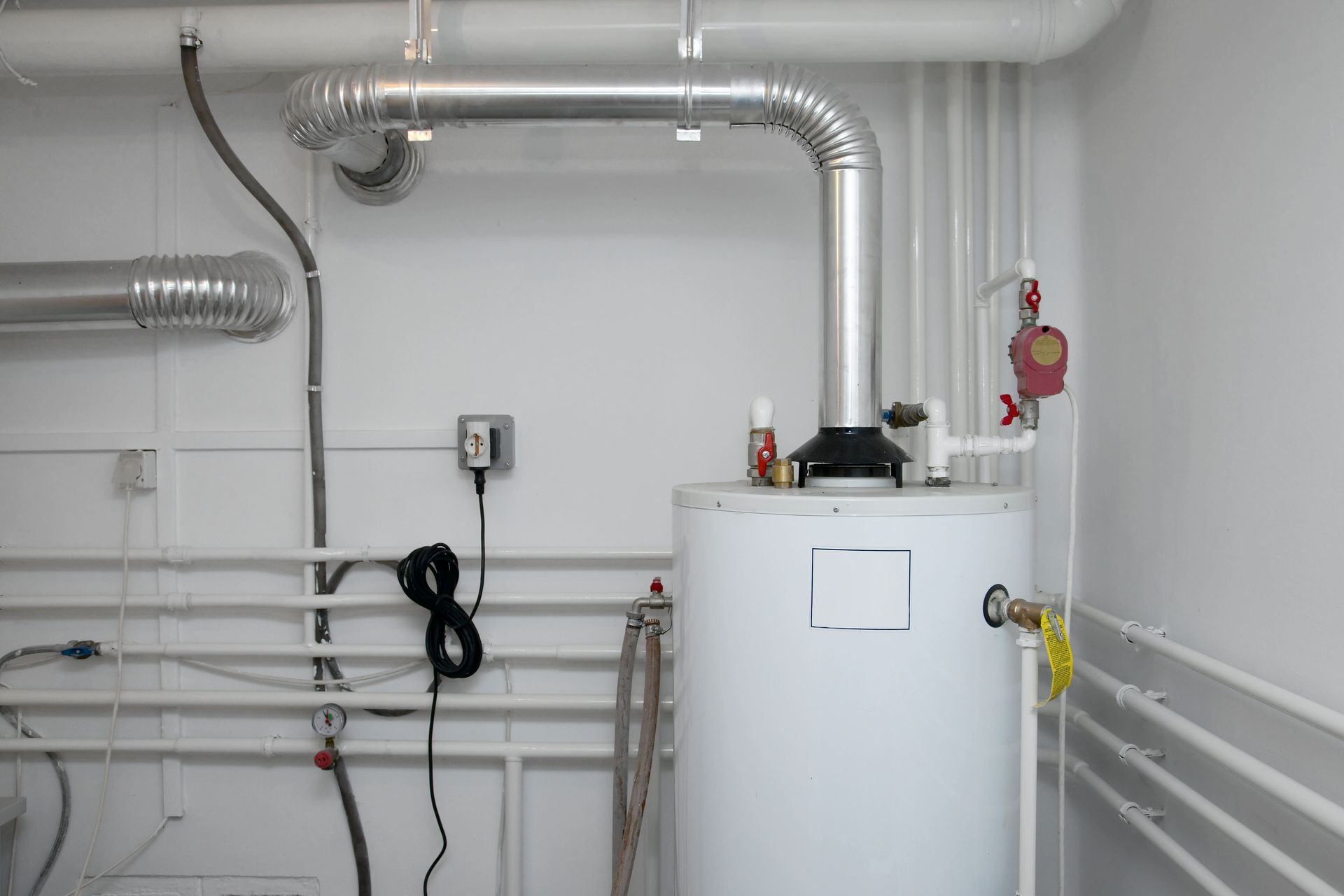
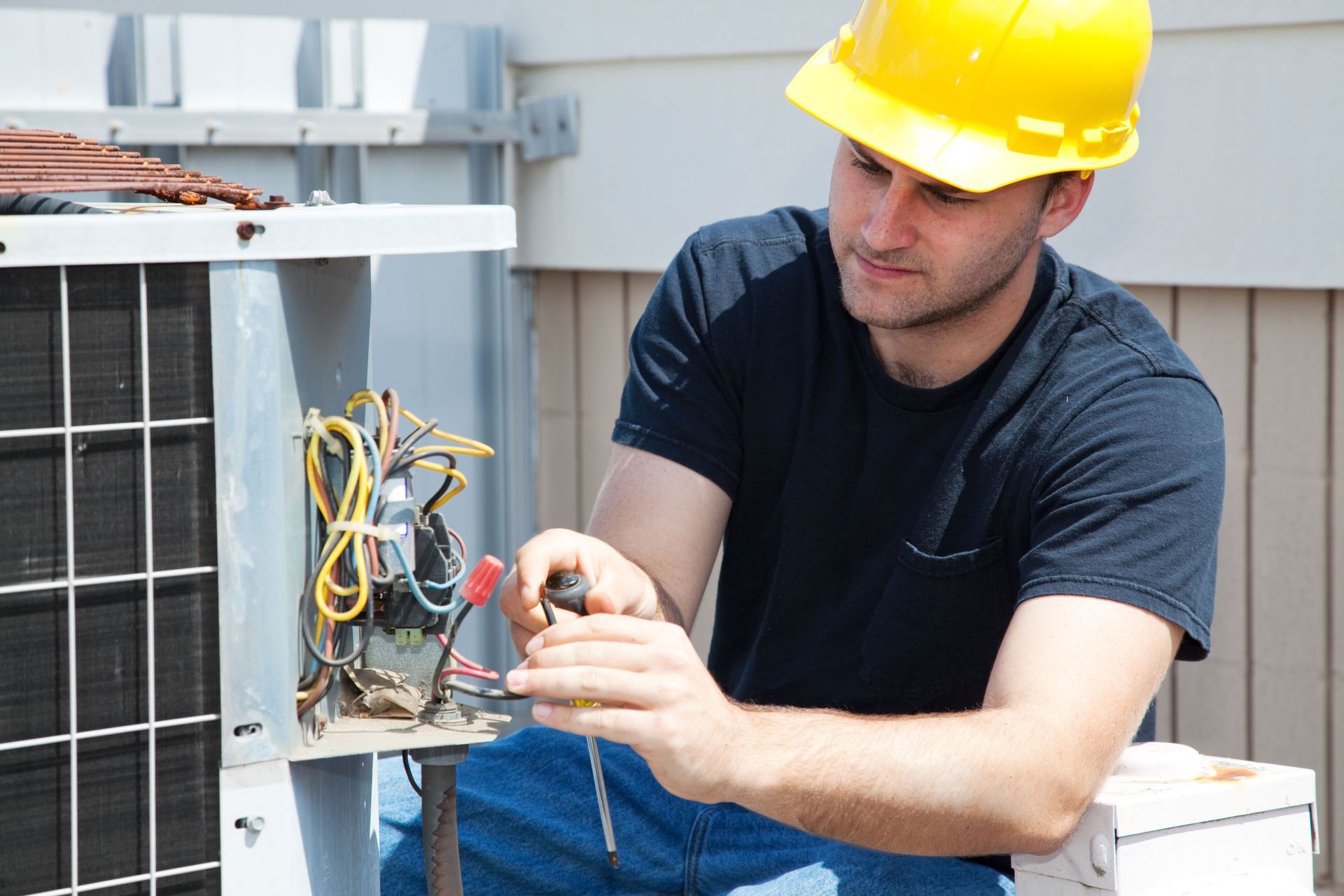
A qualified plumbing professional can evaluate household demand, existing connections, ventilation or fuel requirements, and local code considerations. This assessment can reveal whether the current setup supports the type of unit you are considering or whether modifications may be needed before water heater replacement. Professional installation also helps ensure that connections, safety controls, and operating settings are handled correctly. Ask for a clear explanation of the recommended size, installation scope, and expected costs before work begins.
Considering Age and Maintenance
Age matters when deciding whether to keep an existing system or plan for a new one. According to NACHI, a typical water heater has a lifespan of about 10 years on average. Actual service life varies with water quality, maintenance, usage, and equipment type, so age alone does not determine when replacement is necessary.
Avoiding Common Water Heater Sizing Mistakes
Estimating Demand Too High or Too Low
Guessing at household demand can lead to an unsuitable system. Overestimating needs may result in unnecessary expense, while underestimating can leave the household short of hot water during peak periods. Base the decision on real usage patterns, fixture demand, and the equipment's performance ratings. Online calculators offer estimates, but they do not replace a professional assessment.
Looking Beyond the Purchase Price
Weigh price alongside efficiency, operating costs, warranty coverage, maintenance, and compatibility. A less expensive model may not be the most economical over time, so compare suitable options and their trade-offs before deciding.
Following the Maintenance Requirements
Every water heater has care requirements set by its manufacturer. Depending on the model, maintenance may include checking components, inspecting connections, or addressing sediment and mineral buildup. Follow the recommended service schedule and ask a professional which tasks apply to your equipment. Good maintenance habits can help preserve performance, although they cannot guarantee a specific lifespan.
Choosing the Right Water Heater for Your Home
The right system should reflect your household's peak hot water needs, available space, energy source, efficiency priorities, and future plans. Comparing tank, tankless, heat pump, hybrid, and other options with those factors in mind makes the selection process more manageable. A carefully planned water heater replacement can improve day-to-day comfort while helping you avoid unnecessary capacity and operating costs.
For help assessing your household's needs and choosing a suitable system, contact D E Wildasin & Son Plumbing & Heating. A professional evaluation can help you compare practical options and plan an installation that supports reliable hot water for your home.
Share On: