
Staying Proactive With Water Heater Repairs
Every household depends significantly on hot water for daily activities, from taking showers to washing dishes. Despite its importance, water heaters are often taken for granted until a problem arises. Proactively addressing water heater repairs can not only extend the appliance’s lifespan but also save energy and reduce utility bills. This article explores common queries and topics around water heater maintenance, emphasizing why proactive measures are crucial.
1. How Can I Tell If My Water Heater Needs Repairs?
Identifying Early Warning Signs
Being vigilant about early warning signs can prevent minor issues from escalating into major repairs. Unusual noises emanating from your water heater, such as banging or popping, could indicate sediment buildup, which hinders efficiency. An unexpected increase in energy bills might suggest your water heater is working harder than necessary. Spotting these signs early allows you to address problems before they become costlier and require more extensive repairs.
Odors or discolored water are often indicators that repairs might be needed. These issues could result from corrosion or the presence of bacteria in the tank. Additionally, inconsistent water temperatures, such as water that is too hot or not hot enough, can signify a malfunctioning thermostat. Regular inspections and timely water heater repairs can prevent these problems from worsening.
According to the Department of Energy, water heating accounts for about 20% of your home's energy use, highlighting the importance of maintaining an efficient water heater. By staying aware of subtle changes or noises, homeowners can address minor issues promptly. This proactive approach not only ensures a steady supply of hot water but also contributes to energy savings. Engaging professional services for regular inspections is a wise investment in maintaining water heater efficiency.
Common Symptoms of Water Heater Problems
Common symptoms of impending water heater damage include water pooling around the unit. Leaks often indicate significant internal damage, which can escalate if not addressed quickly. Strange noises, especially from electric water heaters, might suggest malfunctioning heating elements. Each of these symptoms suggests a pressing need for water heater repairs.
Another symptom is fluctuating water temperatures, which can point to multiple potential issues such as faulty thermostats or broken heating elements. Furthermore, reduced hot water supply can be a nuisance, often attributed to sediment buildup within the tank. Regular maintenance can help identify these problems early. Scheduling timely repairs can prevent further damage and restore optimal performance.
If you notice rust-colored water or sulfur odors, it’s essential to attend to these signs immediately. These issues might signify corrosion on the tank or deteriorating anode rods. Failing to address such symptoms usually leads to more severe and costly repairs. Therefore, understanding these early symptoms and taking prompt action is key to maintaining an efficient water heating system.
2. What Are the Most Common Water Heater Problems?
Understanding No Hot Water Issues
One of the most common complaints among homeowners is the lack of hot water. Several factors could be responsible for this issue, such as a tripped circuit breaker, a broken heating element, or issues with the thermostat. Initially, it’s advisable to check these components to identify the root cause. Understanding these elements can help in deciding whether professional water heater repairs are necessary.
Sometimes, the absence of hot water might relate to the unit’s age or size. An undersized water heater may struggle to meet demand, especially in larger households. Evaluating your hot water usage can determine if a heater change or an upgrade is needed. This assessment ensures adequate hot water supply aligns with your household's needs.
If all else fails, sediment buildup could be the culprit, especially in older heaters. Sediment accumulation can limit the tank's ability to heat water effectively. Having the tank flushed periodically can prevent sediment issues, maintaining water heater efficiency. Regular maintenance is imperative to prevent such problems, keeping the system in optimal condition.
Tackling Water Leaks: Causes & Solutions
Water leaks from a heater can be a significant concern, often indicating serious underlying issues. Various causes, such as corrosion, faulty connections, or excess pressure build-up in the tank, can result in leaks. Regular inspections can help identify leaks early, allowing timely water heater repairs. Residential leaks, if overlooked, can lead to considerable water damage and increased utility bills.
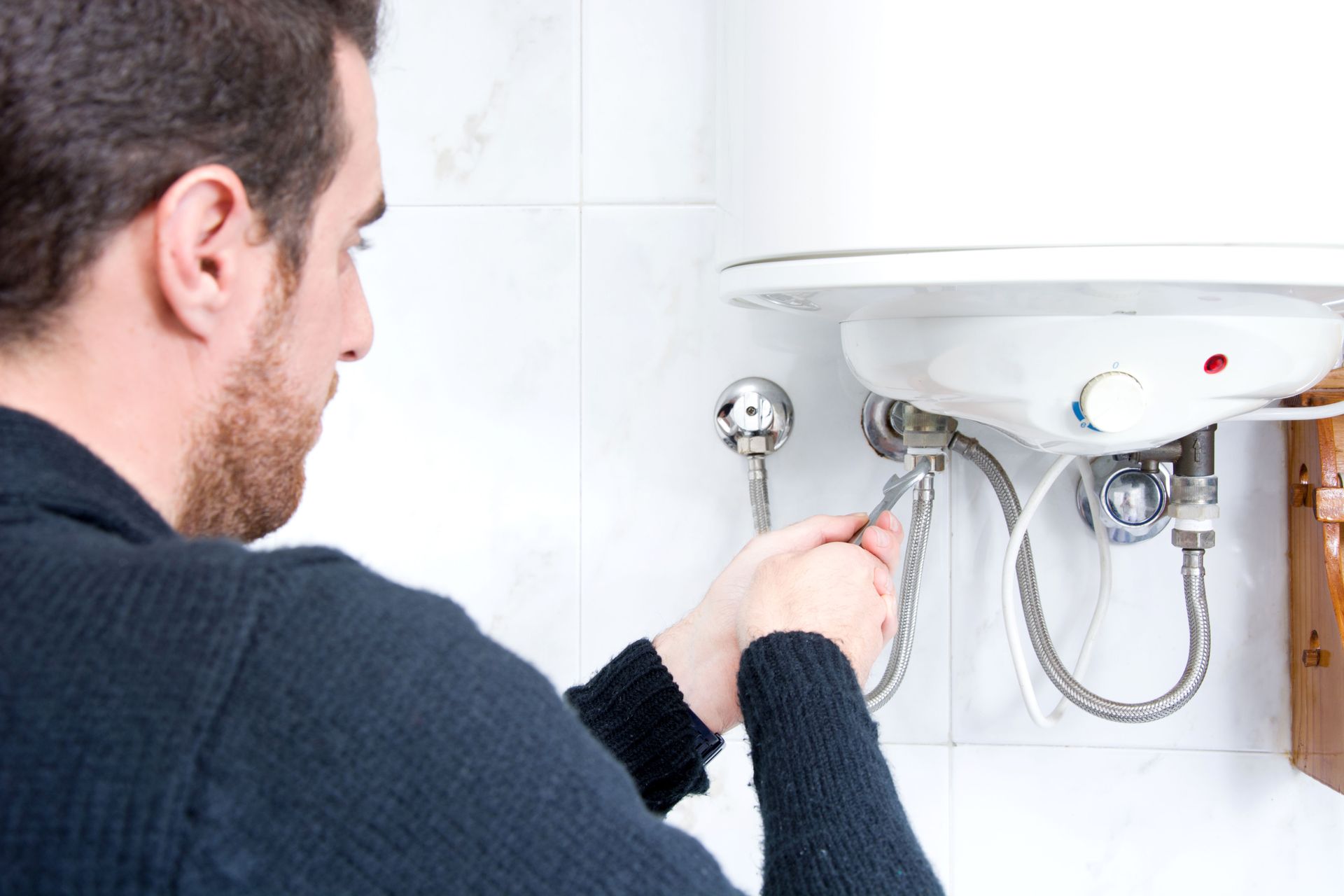
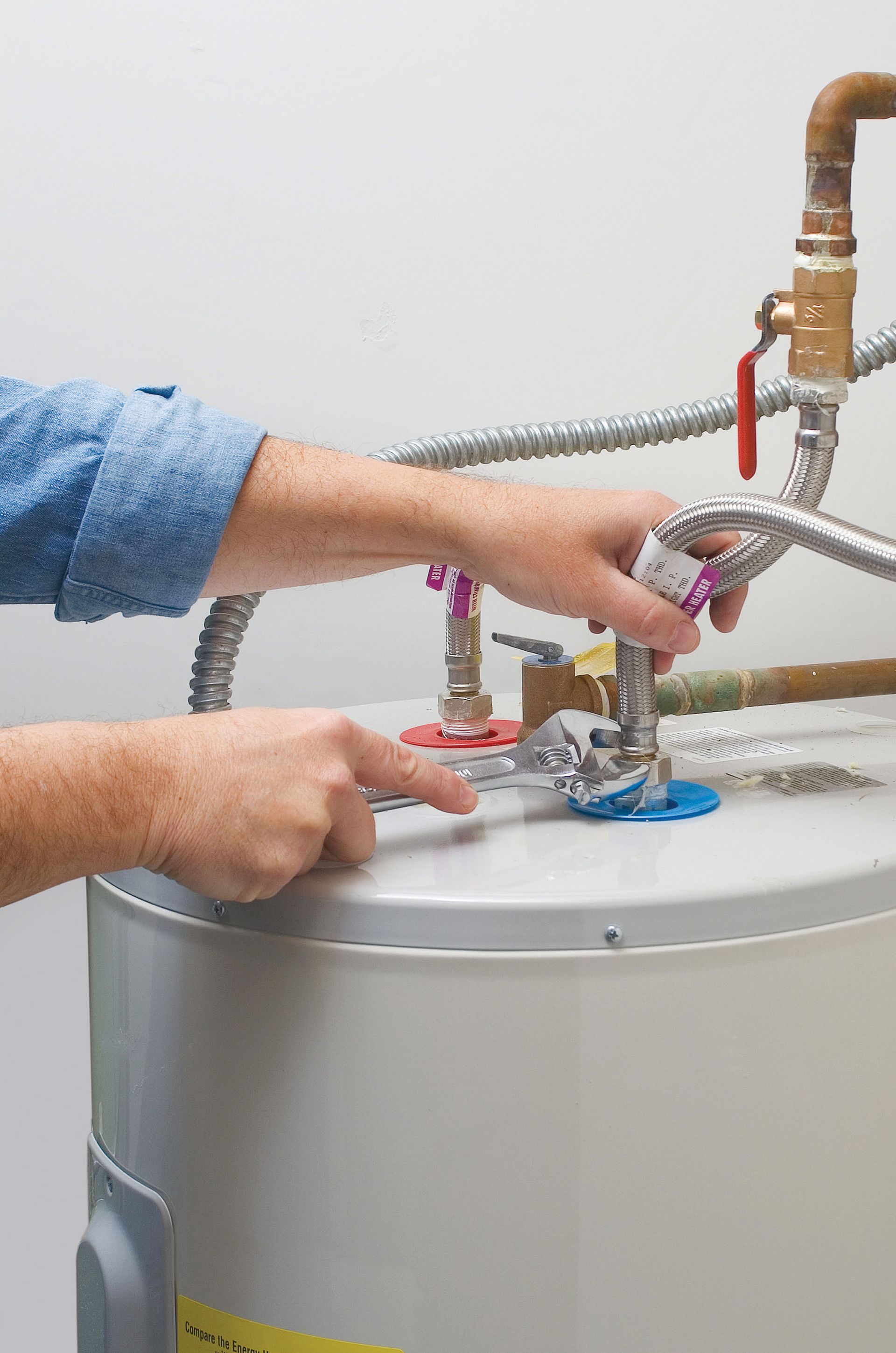
For minor leaks, tightening loose connections and replacing worn-out valves often resolves the issue. When dealing with more extensive leaks, consulting a professional is wise. They can assess the entire system and determine whether repairing or replacing the water heater is more feasible. Taking action as soon as leaks are detected helps to avoid extensive and costly repairs.
Preventative measures can greatly reduce the risk of leaks. Installing a drainage pan beneath the heater can help manage minor leaks. Additionally, performing regular temperature and pressure readings can alert you to any fluctuations outside normal parameters. By staying vigilant and addressing leaks promptly, homeowners can manage and prolong the life of their water heaters effectively.
3. How Often Should I Perform Maintenance on My Water Heater?
Recommended Maintenance Schedule
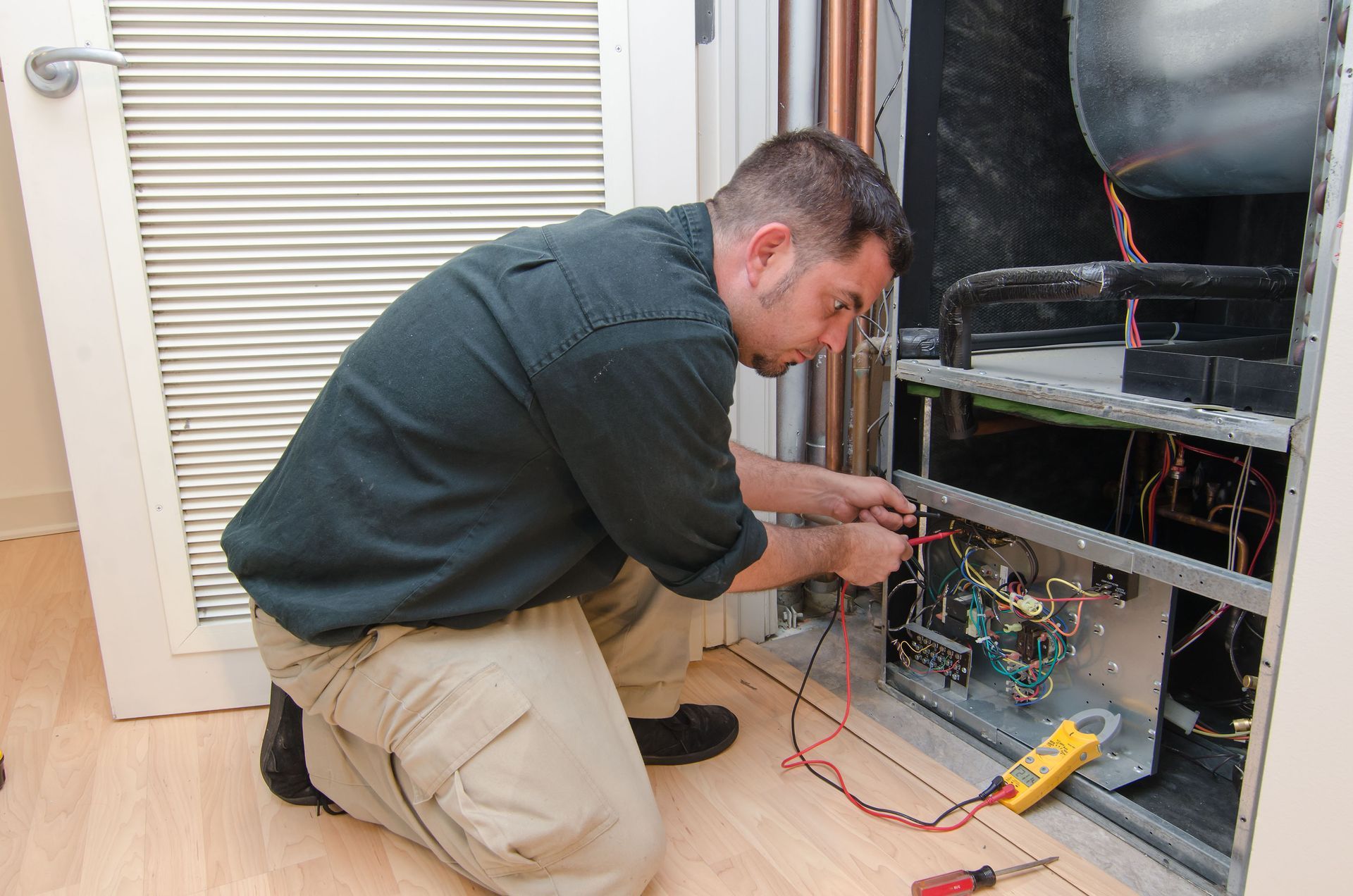
Regular maintenance of your water heater can significantly extend its lifespan, enhancing performance and efficiency. Experts generally recommend an annual checkup, potentially increasing to bi-annual for older units. During these inspections, professionals assess critical components such as the anode rod, heating elements, and pressure release valve. Consistent maintenance helps identify potential issues before they escalate into major repairs.
Integrating routine maintenance with a seasonal schedule ensures any emerging issues are promptly addressed. For instance, flushing the tank to remove sediment during spring ensures efficiency moving into high-demand months. Professionals can also calibrate thermostats and inspect for leaks during these checkups. This comprehensive approach helps avoid sudden malfunctions and supports long-term efficiency.
In addition to professional checkups, homeowners can perform essential tasks like keeping the area around the heater free of debris and monitoring for leaks or noises. Adhering to a diligent maintenance schedule reflects a proactive approach to water heater repairs. This vigilance secures consistent hot water and contributes to energy conservation aligning with today’s energy-efficient standards.
Simple DIY Maintenance Tips
Simple maintenance activities can mitigate common problems and keep your water heater in prime condition. Regularly checking the thermostat’s settings or insulating the heater's pipes are DIY tasks that maintain efficiency. Insulating helps retain heat in the pipes, reducing the heater’s workload and conserving energy. Annual tasks like draining the tank to remove accumulated sediment significantly contribute to heater longevity.
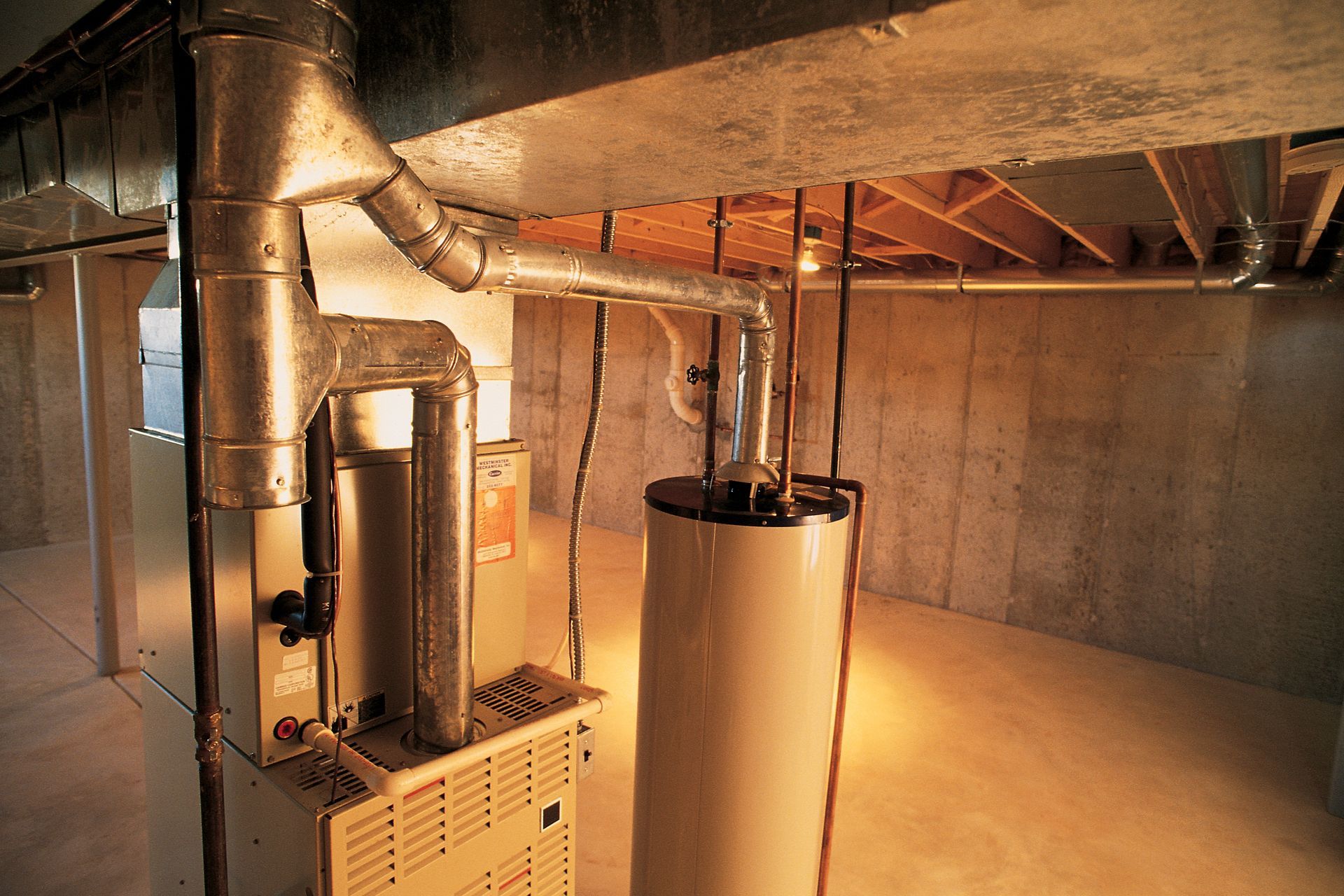
Maintaining clear access to the water heater helps facilitate thorough inspections and quick repairs. Keeping combustibles and other obstructions away from the unit is essential for safety and efficiency. Inspect accessible components routinely for visible wear, rust, or moisture buildup. Implementing these DIY practices plays a pivotal role in preemptive water heater maintenance.
It’s beneficial to familiarize oneself with the water heater's manual to understand maintenance intervals and recommended procedures. Performing regular inspections yourself ensures early problem detection, supporting swift professional interventions when necessary. DIY maintenance combined with professional evaluations offers a comprehensive approach to system upkeep. This synthesis optimizes function and reduces the frequency and severity of required repairs.
Staying proactive with water heater repairs and maintenance is essential for ensuring operational efficiency, safety, and cost-effectiveness. By addressing potential issues early, homeowners can extend the appliance's lifespan and maximize energy savings. Routine inspections, both professional and DIY, play a vital role in preserving the water heater's functionality and performance. Encouraging regular maintenance practices and being informed about the state of your appliance helps prevent unexpected repair costs and ensures reliable hot water supply for your household needs. Reach out to D.E. Wildasin & Son LLC today to see how we can help you!
Share On: